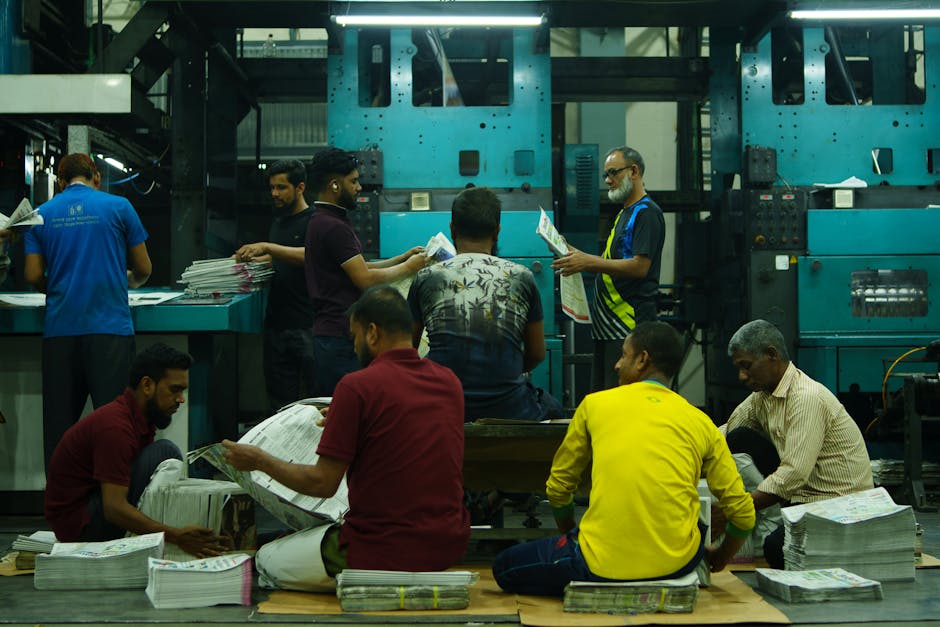
 Printing Methods
Digital vs Offset Printing: Which Is Right for Your Business?
When planning a print project, one of the first decisions is whether to use digital or offset printing. Both methods have distinct advantages, and the right choice depends on your specific needs, budget, and timeline. Understanding the differences helps you make the most cost-effective decision.
Digital Printing Explained
Digital printing works similarly to your office photocopier, but at a professional level. The digital file is sent directly to the printer, which produces the output without requiring printing plates. This method is ideal for smaller print runs, typically up to 1000 copies. Setup time is minimal, making digital printing faster and cheaper for low volumes. There are no setup costs or plate charges, so small jobs are more economical with digital printing.
Offset Printing Explained
Offset printing is a traditional method where the image is transferred to metal plates, which then ink rollers press against. The inked image is transferred to a rubber blanket, which finally prints onto the paper. This method requires setup and plate creation, making it more expensive for small jobs. However, for larger volumes—typically 1000 copies and above—offset printing becomes significantly cheaper per unit.
Quality Comparison
Both modern digital and offset printing produce excellent quality. Offset printing traditionally offers slightly better colour consistency and sharper detail, particularly for photographic images. However, modern digital printers have narrowed this gap considerably. For most business applications, the quality difference is negligible. The choice should be based on volume and cost rather than quality concerns.
Cost Considerations
For small quantities, digital printing is almost always cheaper. There are no setup fees or plate charges. For large quantities, offset printing's per-unit cost becomes much lower, despite higher initial setup costs. As a rough guide, if you need fewer than 500 copies, choose digital. For 1000+ copies, offset usually offers better value. Between 500 and 1000 copies, it's worth getting quotes for both methods.
Turnaround Time
Digital printing is faster. Since there's no plate setup required, jobs can be printed and delivered within days. Offset printing takes longer due to plate preparation and setup, typically requiring 7-10 working days. If you need materials urgently, digital printing is your best option.
Colour Consistency
Offset printing excels at maintaining consistent colour across large runs. If you're printing 5000 copies of marketing materials, offset ensures every single copy looks identical. Digital printing can have slight variations across a large run, though this is rarely noticeable to the human eye.
Variable Data Printing
Digital printing allows variable data—each copy can be different. This is perfect for personalised letters, numbered raffle tickets, or customised marketing materials. Offset printing isn't designed for this application, as the same image prints repeatedly.
Making Your Decision
Consider your quantity, budget, timeline, and specific requirements. Digital printing suits small runs, rush jobs, and personalised materials. Offset printing suits large quantities where cost per unit matters. Many projects benefit from combining both methods—digital for low-volume items and offset for high-volume materials. Discussing your needs with an experienced printer ensures you choose the right method for your specific project.